
Latest Story
-

Can you afford to travel to work?
Katie Miller | April 22, 2024With the cost of commuting rising and city design limitations becoming more apparent, exploring alternative work arrangements, such as flexible or remote work options, becomes increasingly crucial.
-
Encouraging regional climate cooperation
Open Forum | April 22, 2024The Indo-Pacific is facing a steep climate change challenge and Australia’s strong education sector seems ready to do more in the fight.
-
The year the music died
Rod Davies | April 22, 2024While megastars can still draw large crowds, other bands have struggled to find a live audience after the pandemic, spurring the Federal Government to launch an inquiry into Australia’s live music industry just two days before Splendour in the Grass was cancelled.
-

The end of Eden
John Woinarski | April 21, 2024Mankind’s dominion over Earth is a story of monumental folly and needless greed, and now nature is suffering further fatal blows thanks to the consequences of man-made climate change.
-
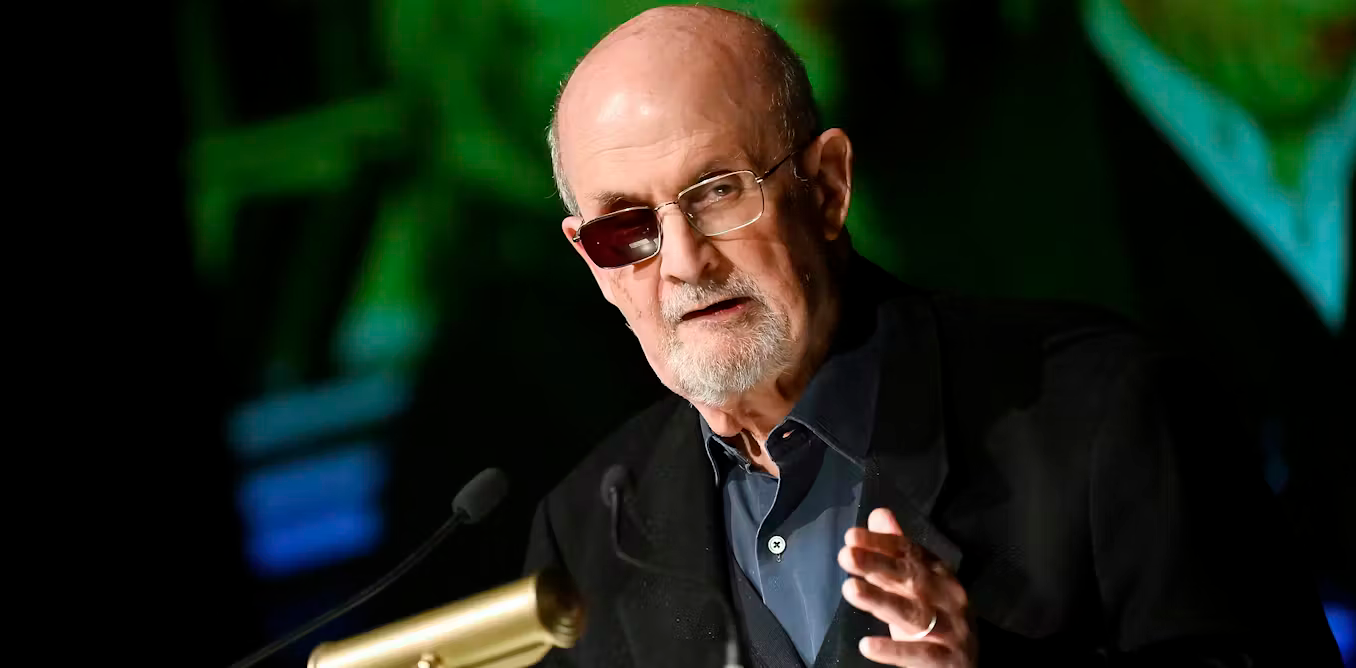
The pen is mightier than the knife
Paul Giles | April 21, 2024Knife attacks are in the news after the murderous assault in Bondi Junction and the terrorist stabbing of a Bishop in Sydney, and a new book by Salman Rushdie reflects on his own survival from a terrorist knife attack in 2022 while he delivered a lecture on freedom of speech.
-

The trial of Vladimir Putin
Rowan Nicholson | April 21, 2024In his new book “The Trial of Vladimir Putin”, barrister Geoffrey Robertson dramatises what might happen within the walls of a future courtroom if the Russian dictator and war criminal was ever brought to justice for his imperialist assault on Ukraine.
-
The silent truth
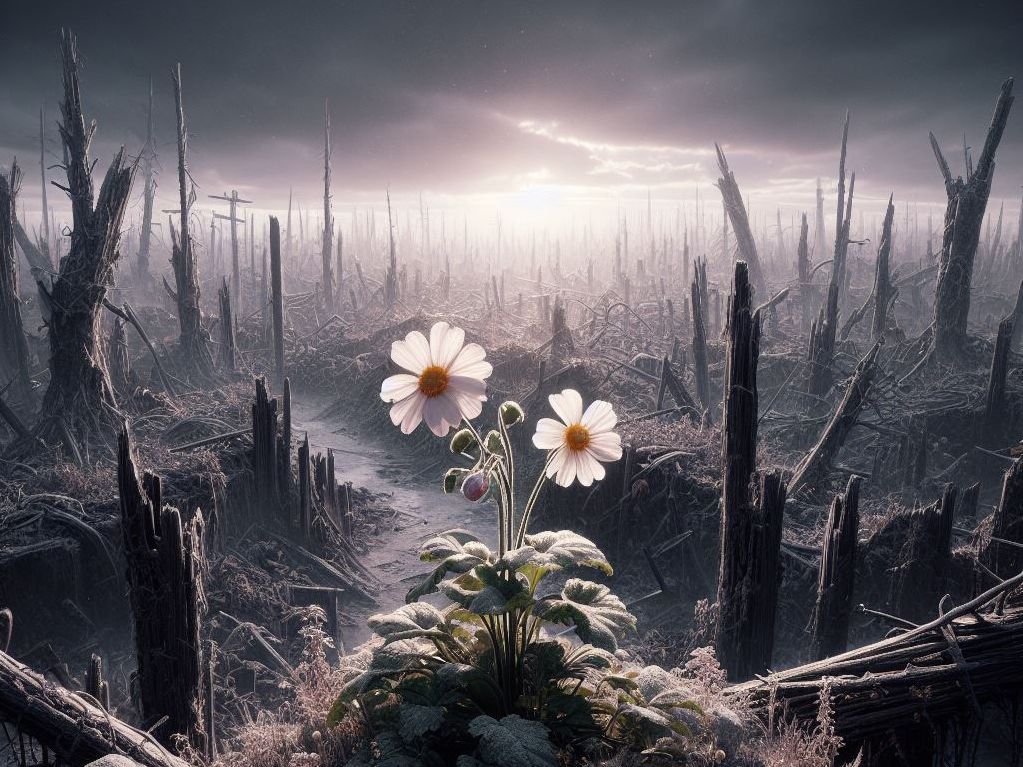
Roger Chao | April 20, 2024Conflict has marred the whole of human history, but the hope for peace is everlasting in the human imagination. In a world riven by war from Ukraine to Israel, Yemen to Mayanmar, we should all remember our common humanity and the healing power of art.
-
Alien science
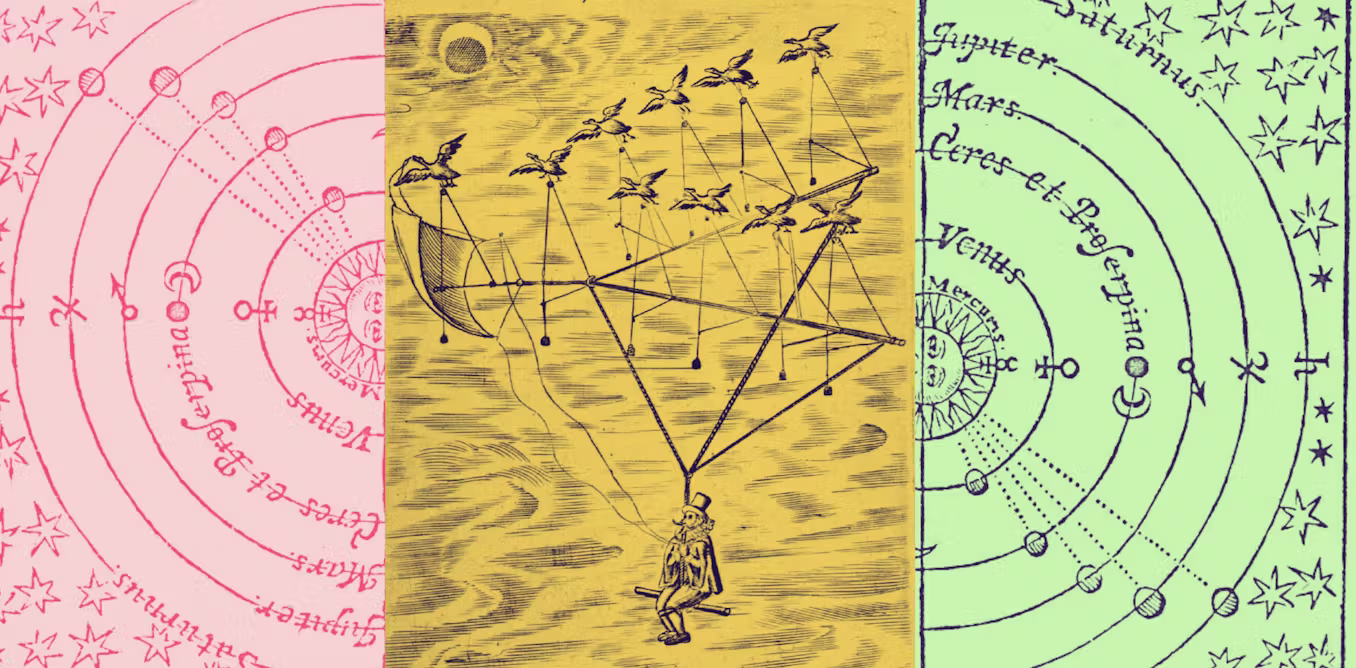
Philip Almond | April 20, 2024We no longer live in a universe that is seen as the product of the divine plenitude. Nor one in which our planet can be viewed as the centre of the universe. As a result, ironically, we have become aliens to ourselves: modern “alienation” is that sense of being lost and forsaken in the vast spaces of a godless universe.
-
More weird books, please!
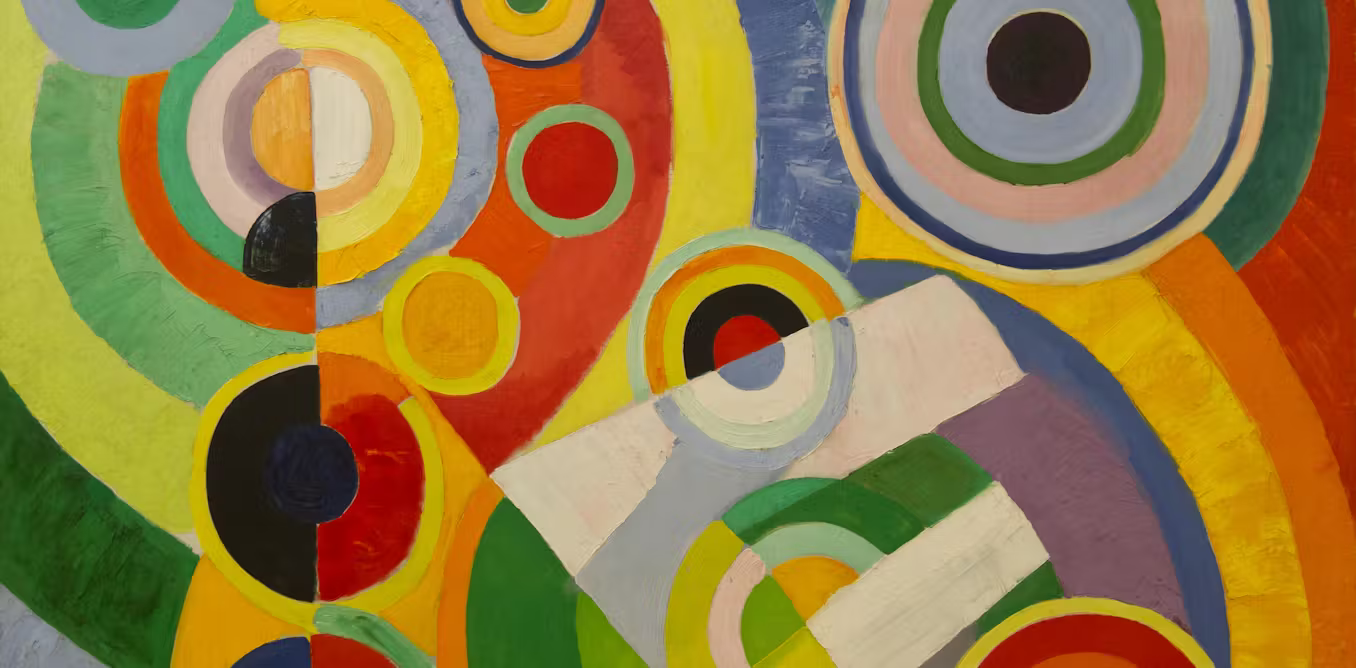
Emmett Stinson | April 20, 2024Two new books by Australian authors, “Tell” by Jonathan Buckley and “It Lasts Forever and Then It’s Over” by Anne de Marcken, add to the puzzle of the post-post-postmodern novel.
-
Labor flunks its test on environmental protection
Euan Ritchie | April 19, 2024Labor’s failure to fulfill its election promise to reform Australia’s much flaunted environmental protection laws puts their goals of “no new extinctions” and a “nature positive” future for Australia at risk.
-
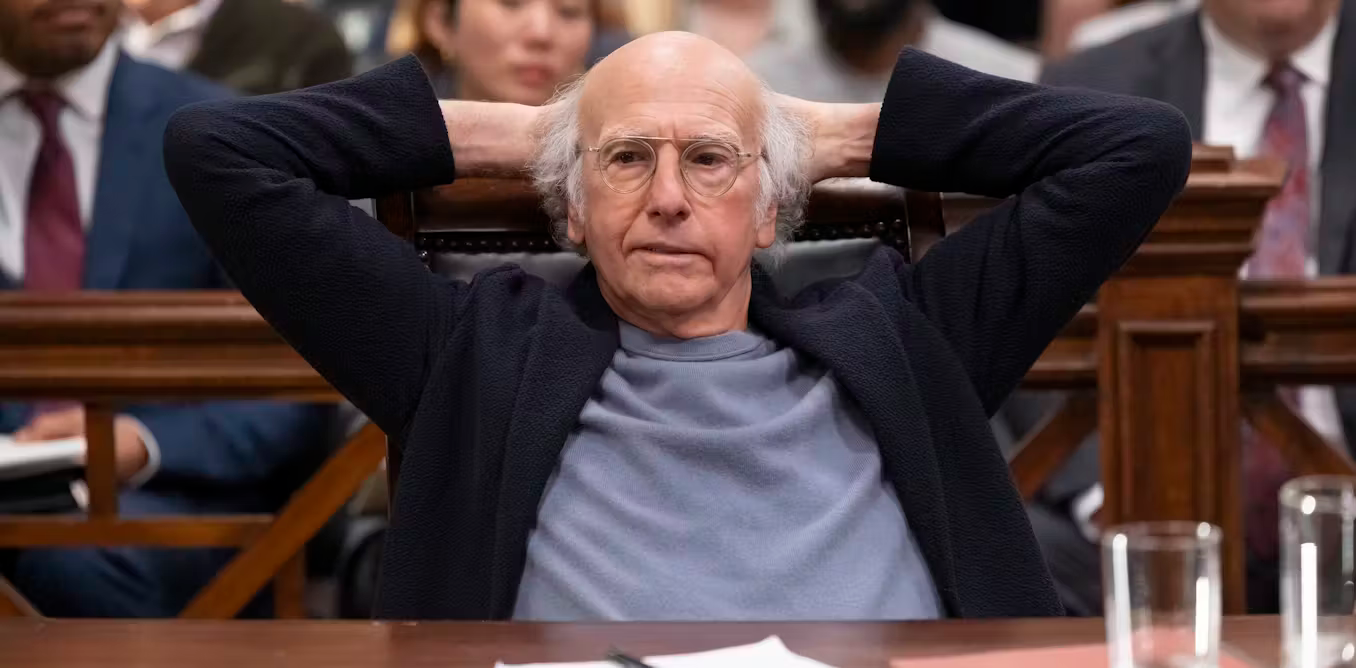
Express your enthusiasm
Nathan Abrams | April 19, 2024Over its 12 seasons and 120 episodes, Curb Your Enthusiasm became a cult classic, leaving a lasting legacy on television comedy and cementing Larry David’s position as one of the greatest comedy writers of our time.
-
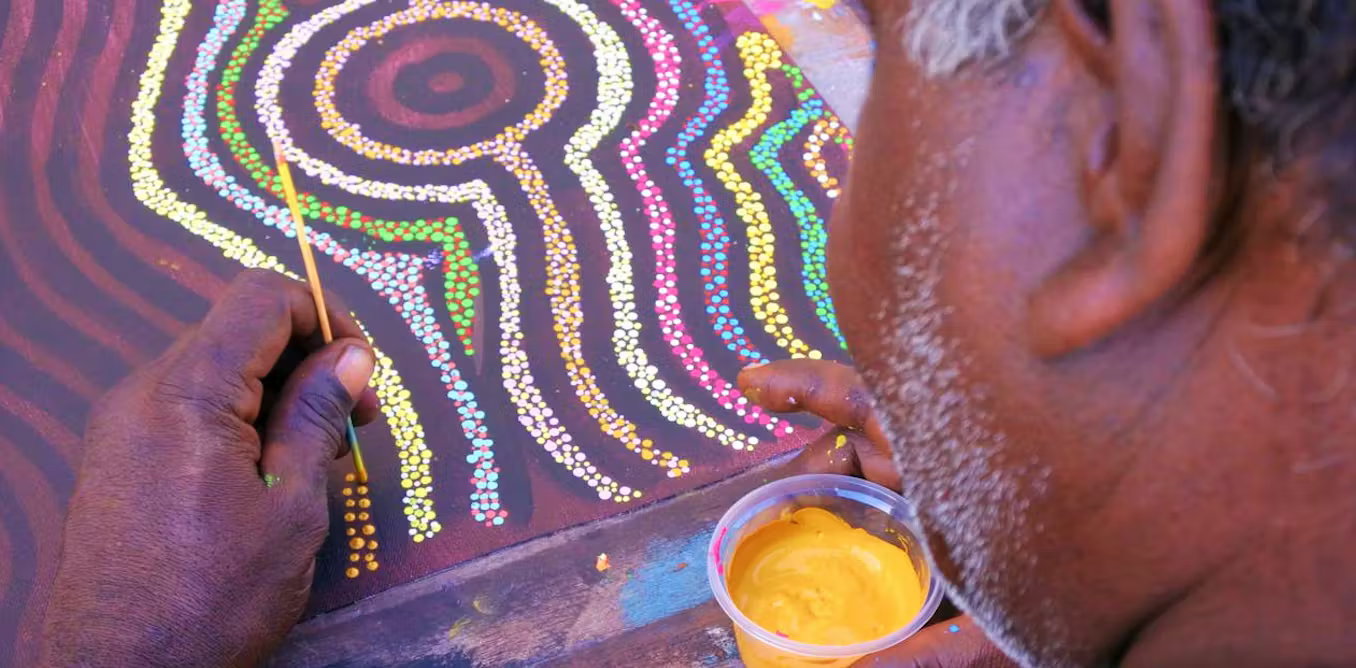
An eye on Indigenous business
Michelle Evans | April 19, 2024Indigenous owned and run businesses may be worth billions of dollars to the Australian economy, but despite new research into their scope and activities, we still don’t know enough about them.