

Latest Story
-
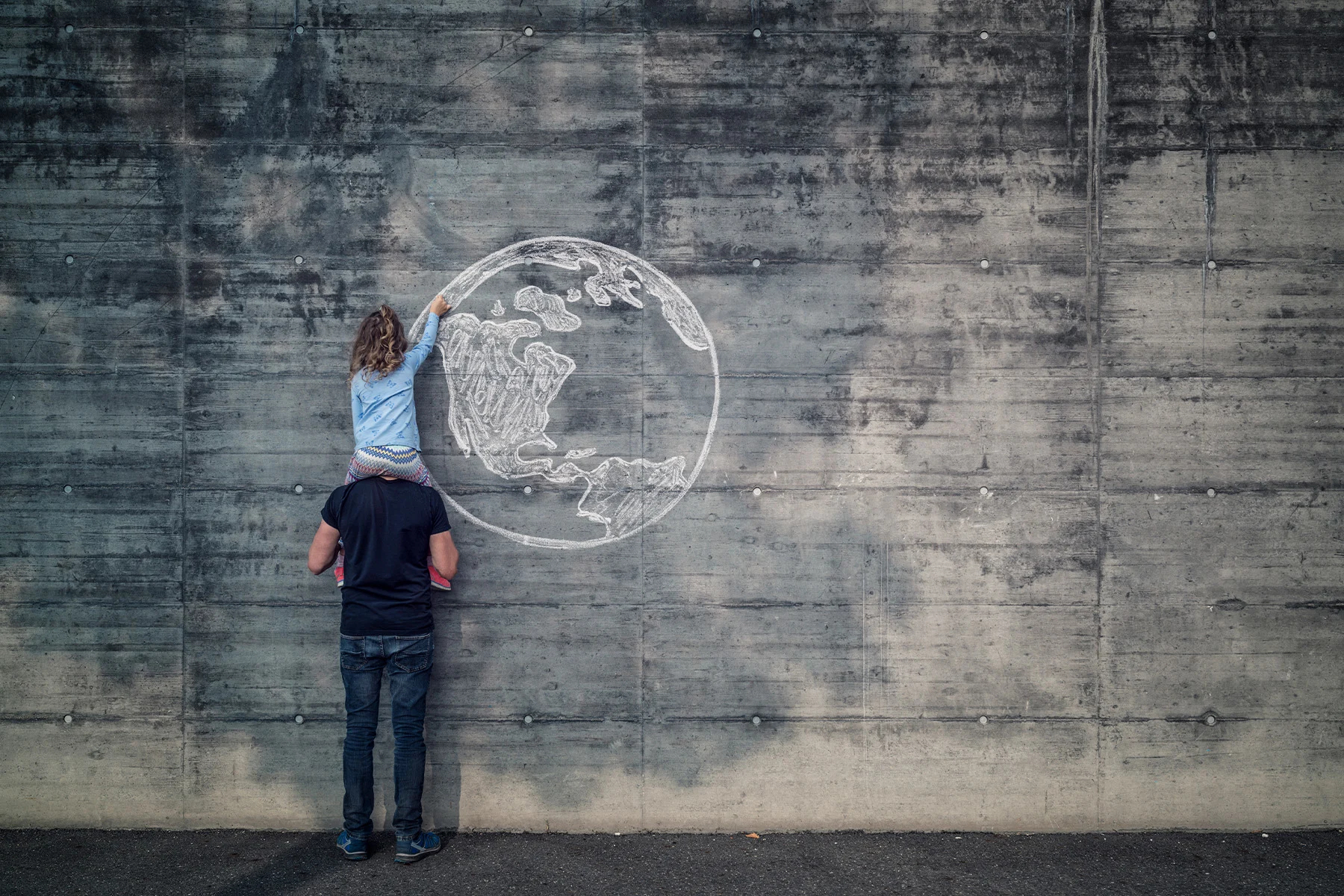
ESG investing in people and the planet
Rosemary Addis | April 24, 2024Environmental and social issues need to be considered together for sustainable finance reforms to contribute positively to the wellbeing of the planet and its people.
-

The idea factory
Open Forum | April 24, 2024AI chatbots can offer a novel avenue for idea generation, simulating multidisciplinary workshops that traditionally require significant time and resources. Soon we won’t need people at all, will we?
-

Australia’s healthy health sector
Open Forum | April 24, 2024New research from the Productivity Commission has found Australia’s healthcare system delivers some of the best value for money of any in the world.
-
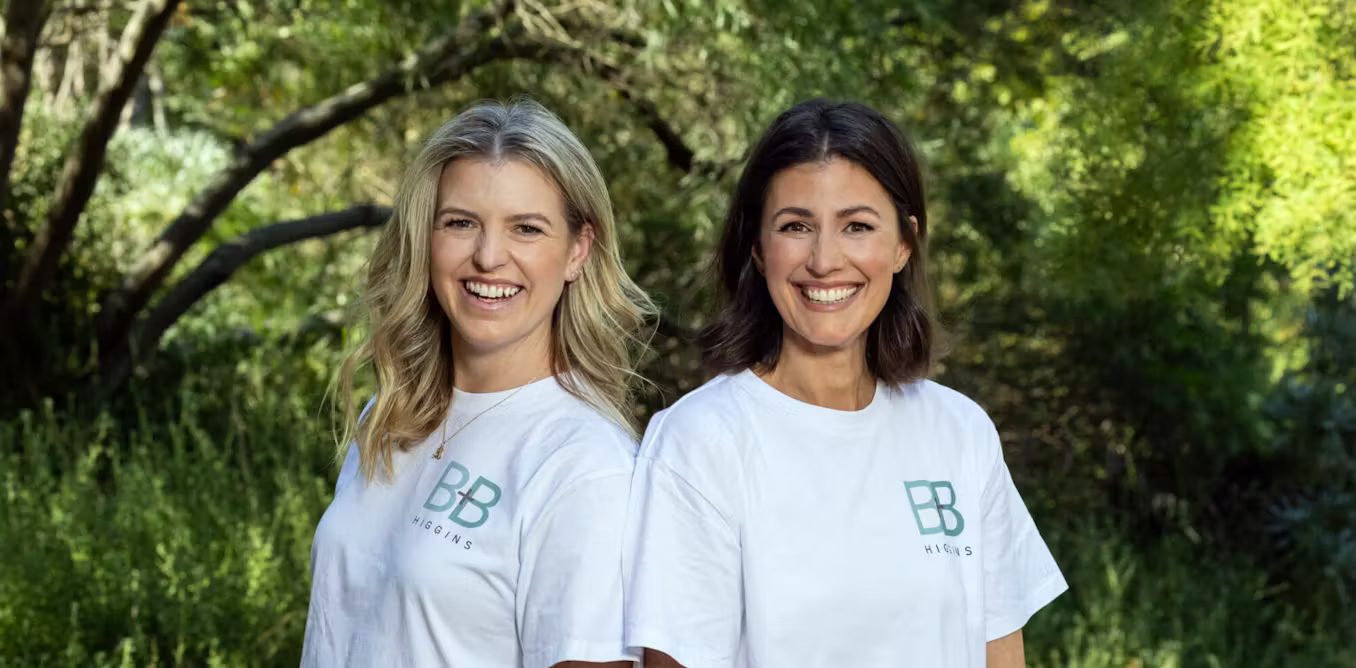
Two into one won’t go
Anne Twomey | April 23, 2024Lucy Bradlow and Bronwen Bock, have announced that they will run as job-sharing independent candidates for the inner-Melbourne federal seat of Higgins but that doesn’t mean they’ll be able to do so.
-
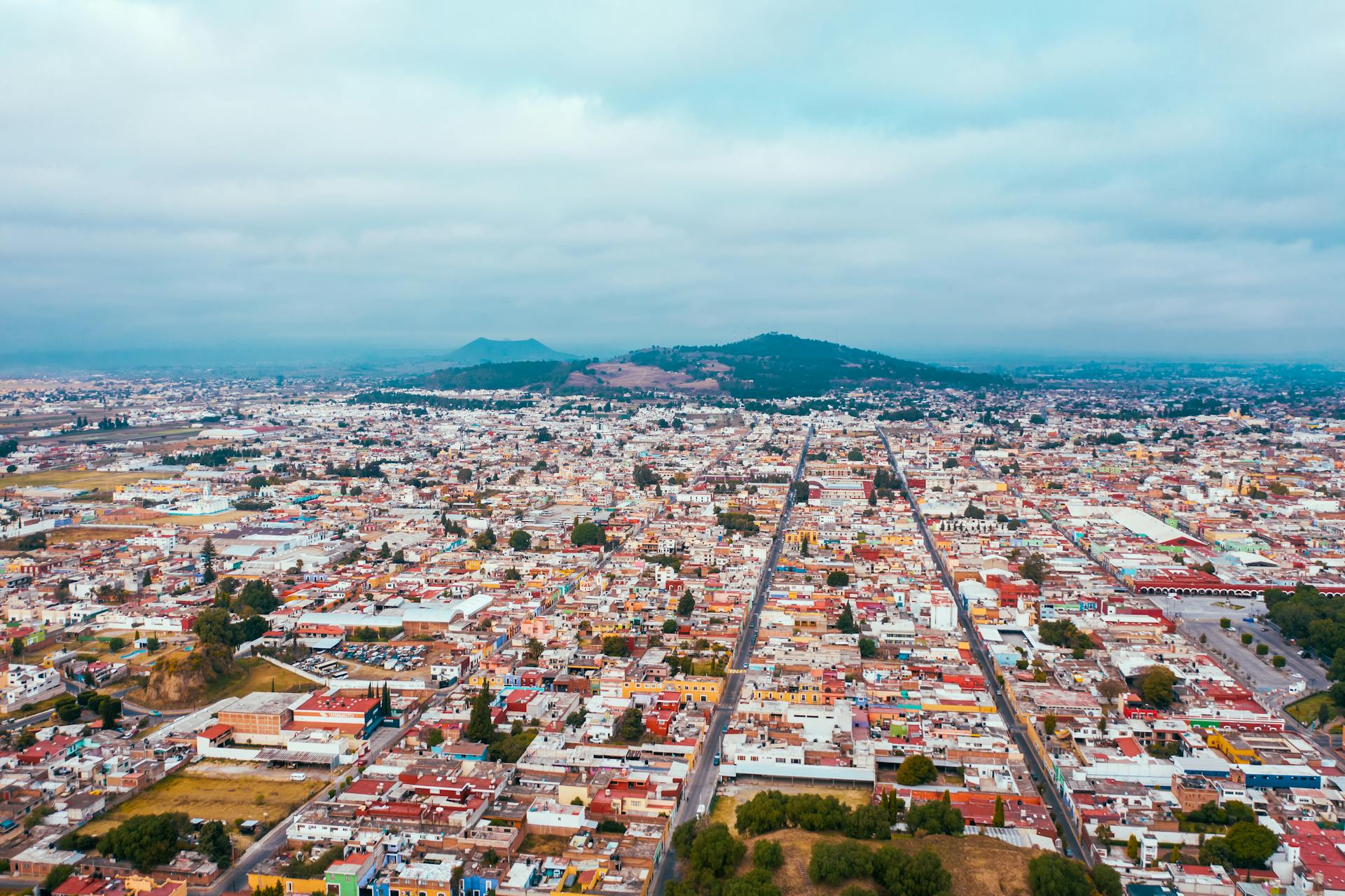
Planning by numbers
Open Forum | April 23, 2024Leading planning and geospatial figures are calling for a coordinated approach to digitising and streamlining Australia’s urban planning systems.
-

Debunking Dunning-Kruger
Eric Gaze | April 23, 2024The Dunning-Kruger effect – that unqualified people over-estimate their ability – is often quoted and uncritically cited, but may be misleading, if not entirely untrue.
-

Can you afford to travel to work?
Katie Miller | April 22, 2024With the cost of commuting rising and city design limitations becoming more apparent, exploring alternative work arrangements, such as flexible or remote work options, becomes increasingly crucial.
-
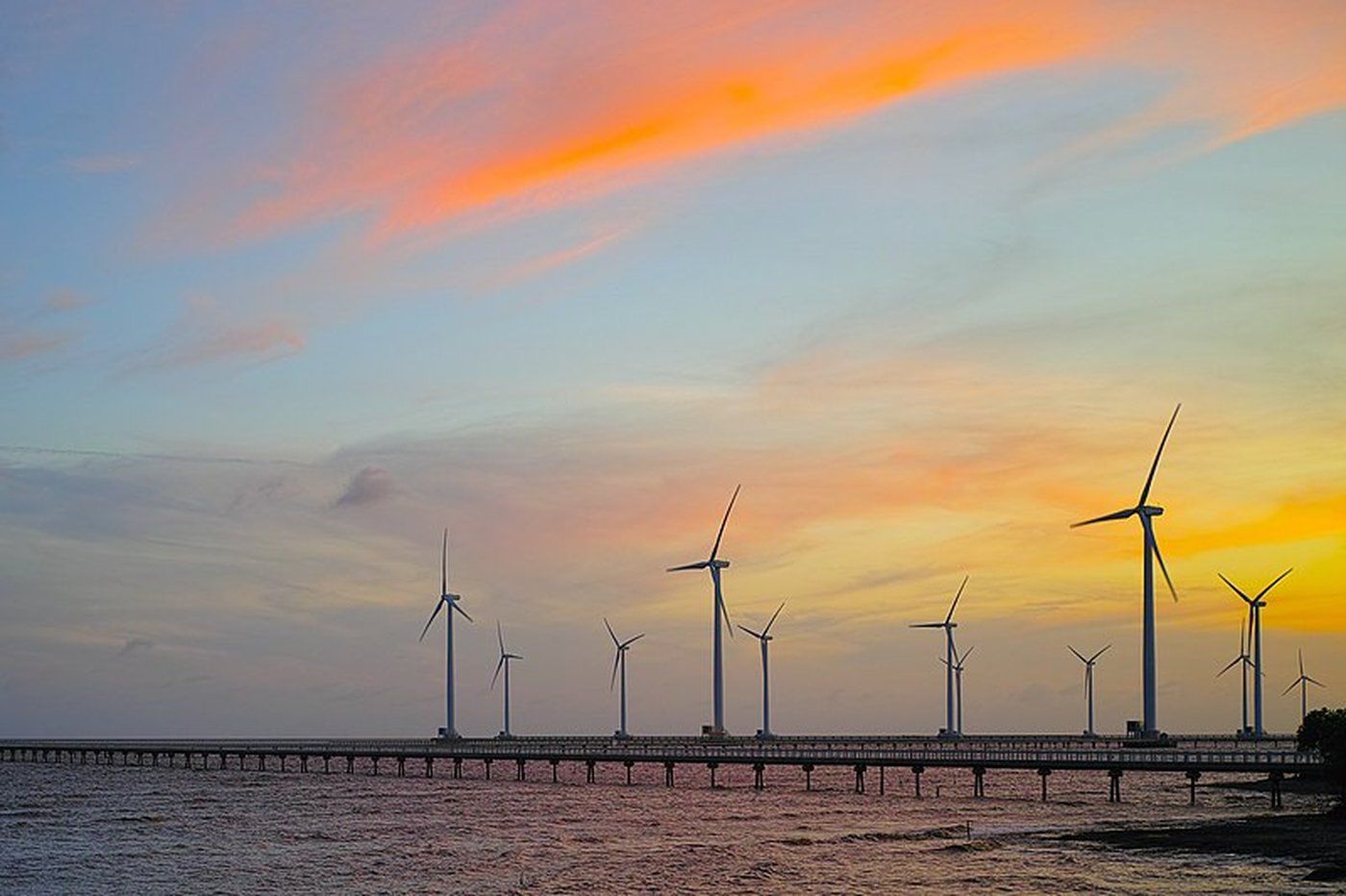
Encouraging regional climate cooperation
Open Forum | April 22, 2024The Indo-Pacific is facing a steep climate change challenge and Australia’s strong education sector seems ready to do more in the fight.
-
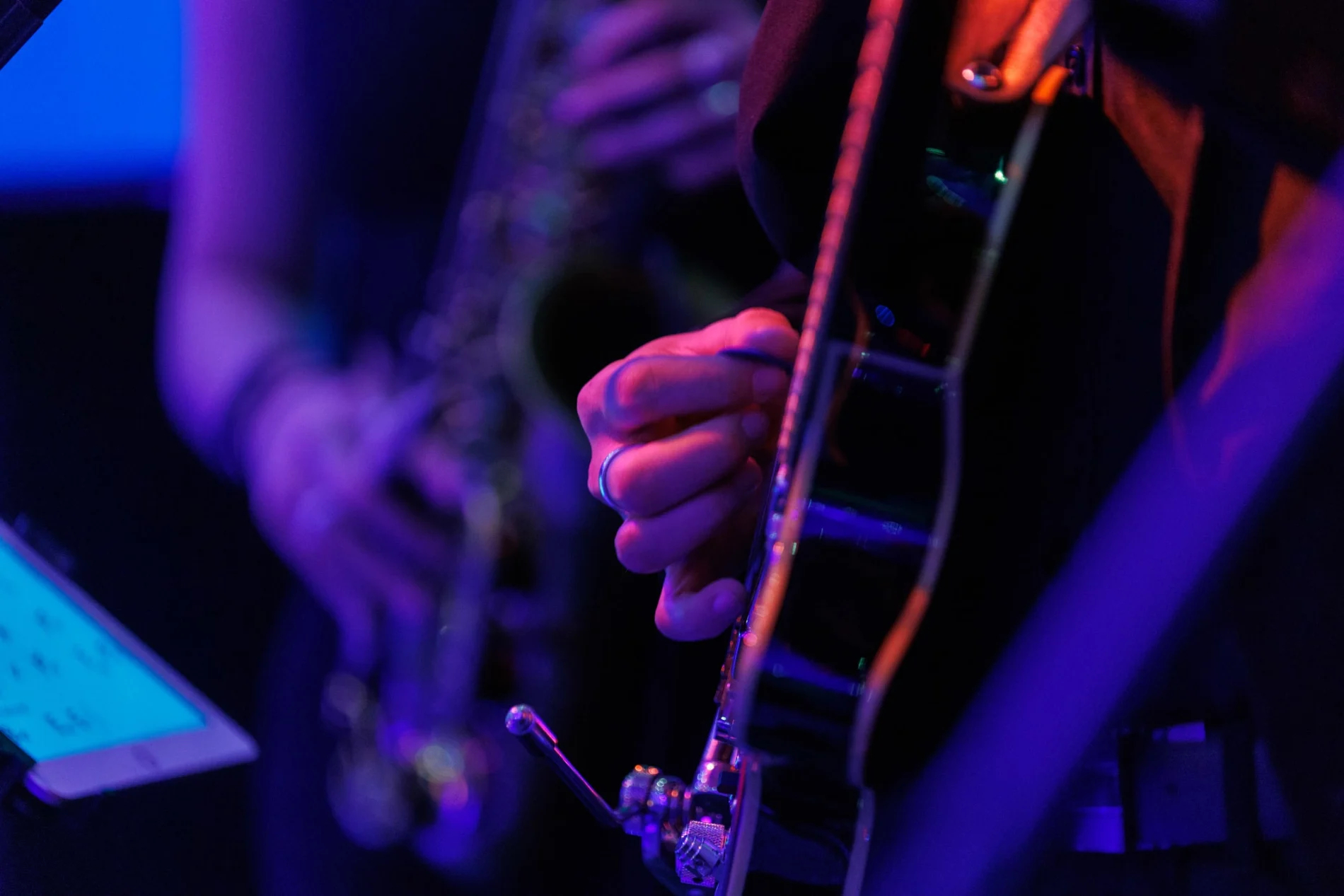
The year the music died
Rod Davies | April 22, 2024While megastars can still draw large crowds, other bands have struggled to find a live audience after the pandemic, spurring the Federal Government to launch an inquiry into Australia’s live music industry just two days before Splendour in the Grass was cancelled.
-

The end of Eden
John Woinarski | April 21, 2024Mankind’s dominion over Earth is a story of monumental folly and needless greed, and now nature is suffering further fatal blows thanks to the consequences of man-made climate change.
-
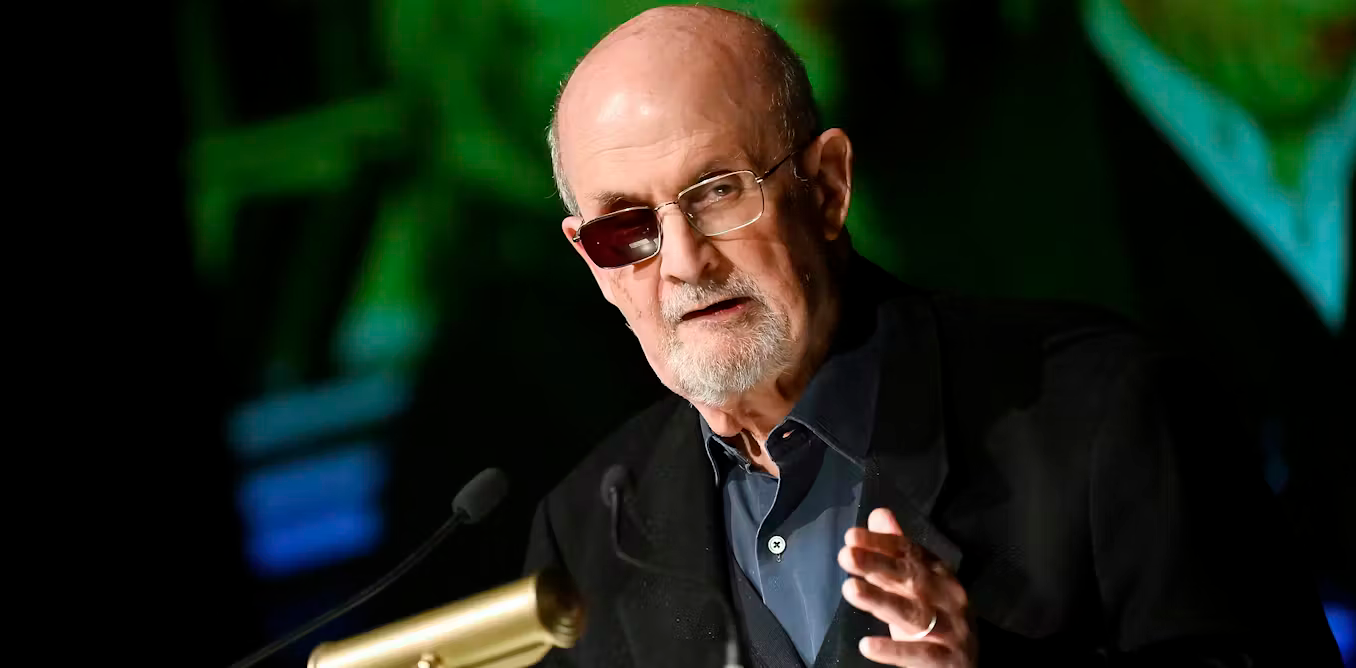
The pen is mightier than the knife
Paul Giles | April 21, 2024Knife attacks are in the news after the murderous assault in Bondi Junction and the terrorist stabbing of a Bishop in Sydney, and a new book by Salman Rushdie reflects on his own survival from a terrorist knife attack in 2022 while he delivered a lecture on freedom of speech.
-

The trial of Vladimir Putin
Rowan Nicholson | April 21, 2024In his new book “The Trial of Vladimir Putin”, barrister Geoffrey Robertson dramatises what might happen within the walls of a future courtroom if the Russian dictator and war criminal was ever brought to justice for his imperialist assault on Ukraine.