-
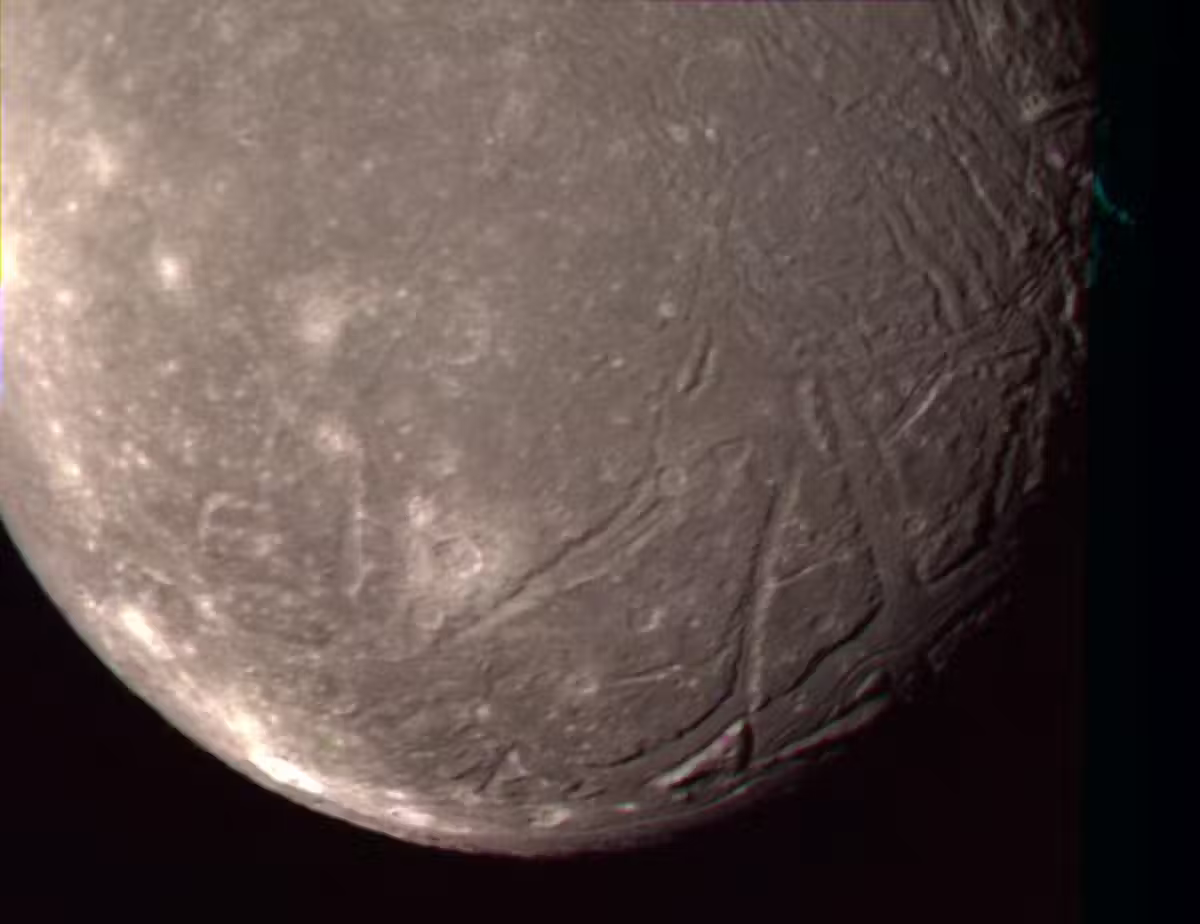
The search for extra-solar oceans
David Rothery | April 11, 2024There may be oceans inside dwarf planets beyond the orbit of Pluto, just as there are inside several Jovian and Saturnian moons.
-
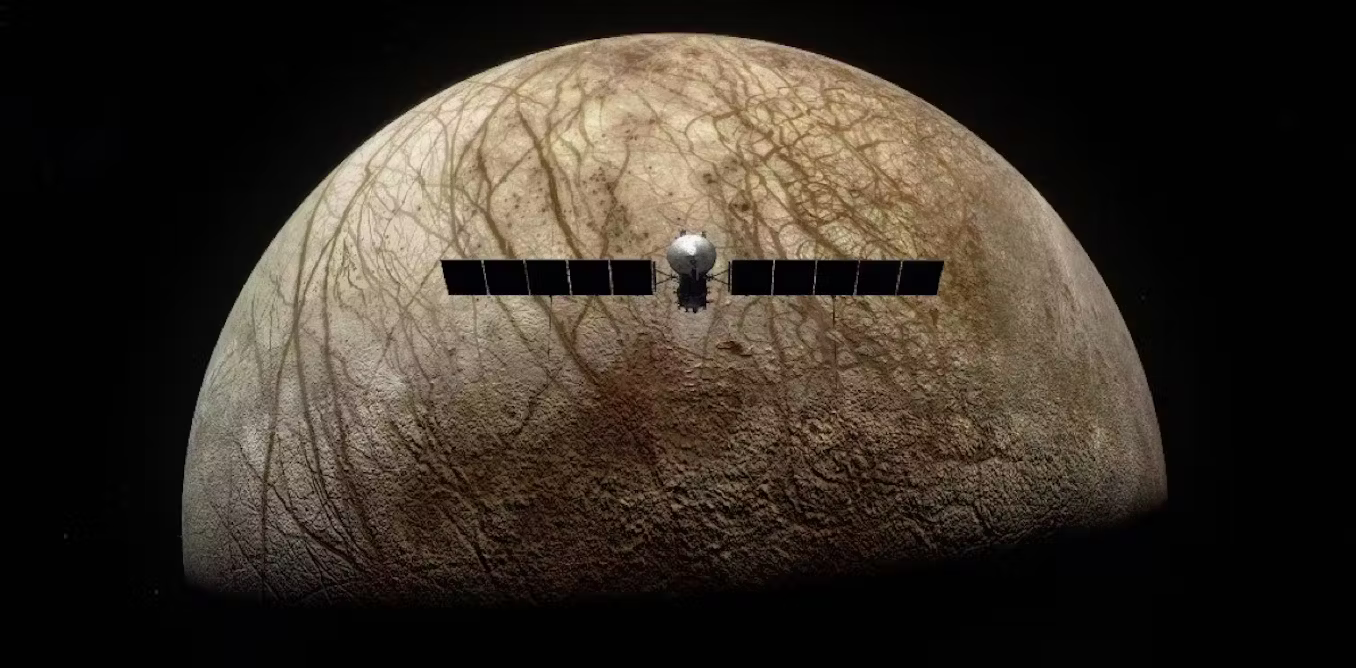
Voyage to Europa
Lucinda King | April 8, 2024If life has developed independently in the vast oceans of Jupiter’s moon Europa, it’s likely the whole universe is teeming with life, so the scientific search is intensifying and a space probe sent to collect dust around Jupiter might even find it.
-
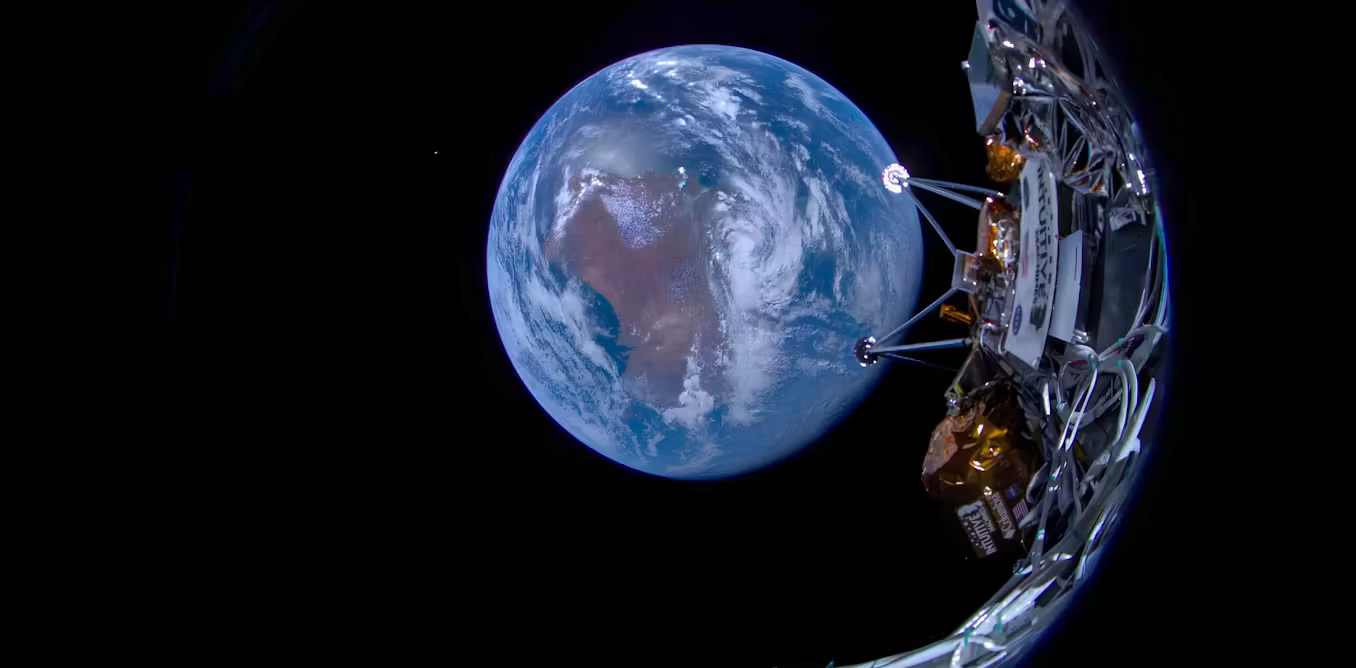
Back to the Moon
David Flannery | February 29, 2024Late last week, the American company Intuitive Machines, in collaboration with NASA, celebrated “America’s return to the Moon” with a successful landing of its Odysseus spacecraft.
-
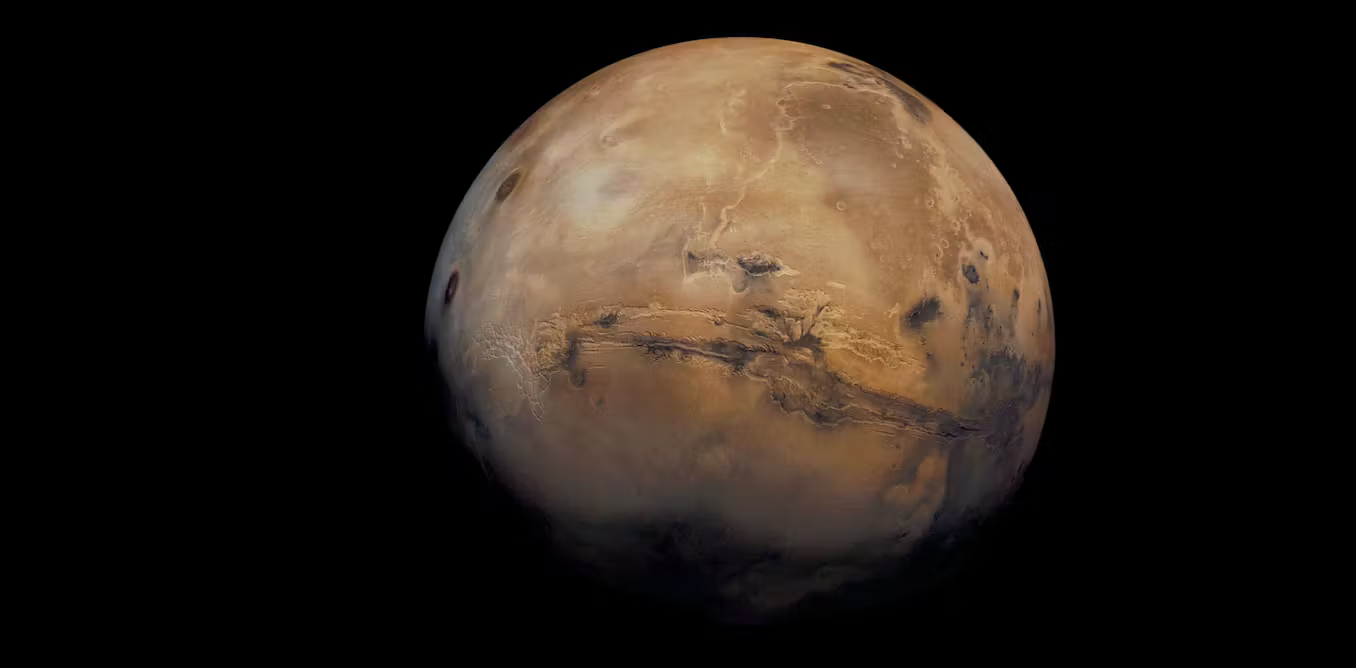
Destination Mars
Steven Tingay | February 8, 2024Scientists have been working on ways to colonise Mars for almost a century, and the prospect of human exploration has been increased by the growth of ambitious private space companies like SpaceX.
-

Watch the skies in 2024
Ali Bramson | December 30, 2023A range of exciting space missions are planned for 2024, exploring the sun, the moon and the wider solar system.
-
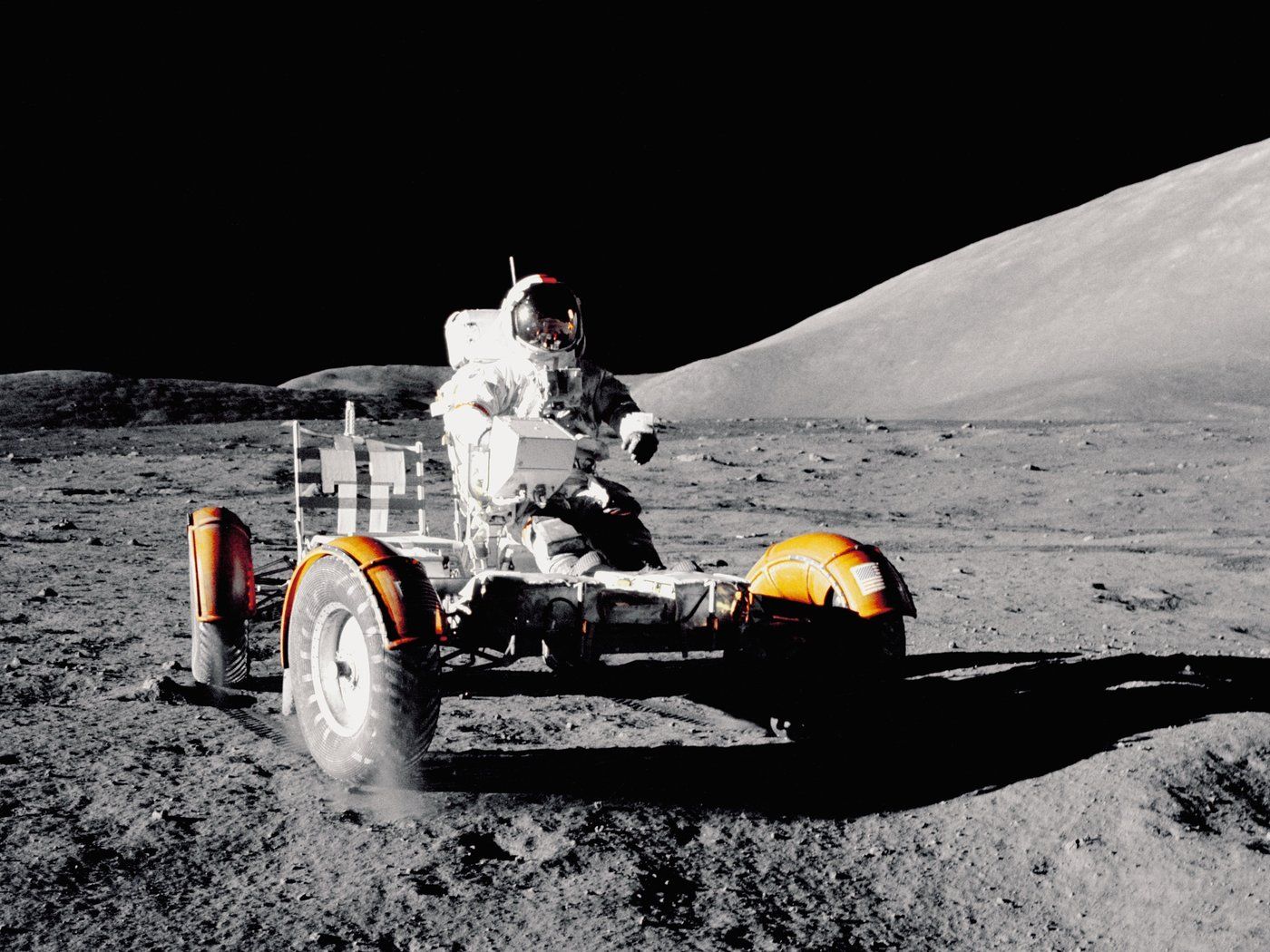
A wonderful year for a moon dance
Alex Gilbert | December 18, 2023More than half a century after man last walked on the moon, a record 12 missions from several countries aim to explore it in 2024.
-
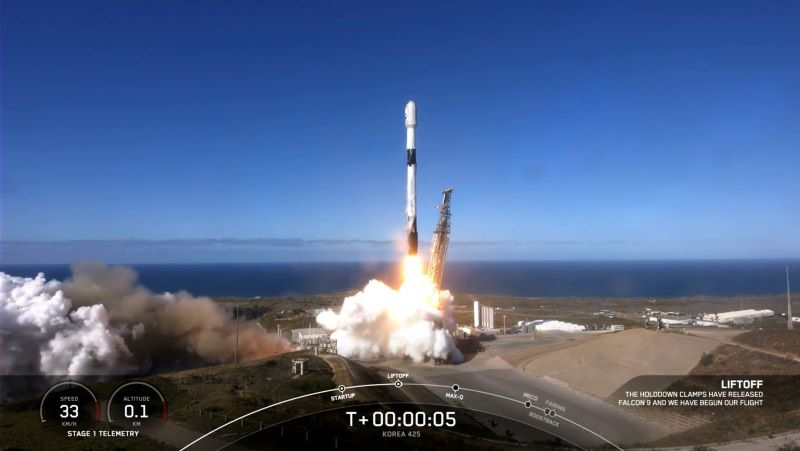
A new kind of spirit
Open Forum | December 3, 2023The University of Melbourne and the Italian Space Agency have announced the successful launch of SpIRIT, a landmark nanosatellite mission supported by the Australian Space Agency.
-
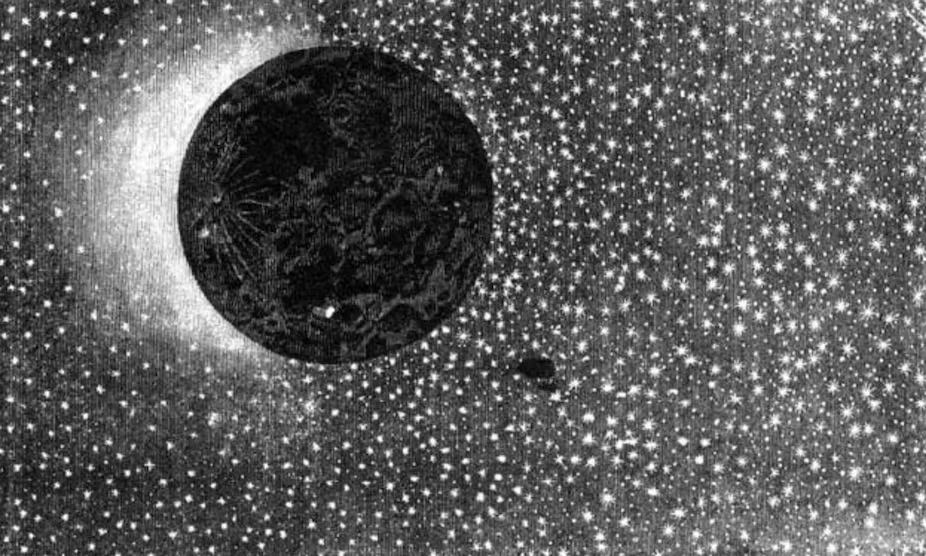
From Earth to the Moon
Ayoush Lazikani | November 10, 2023In the distant wake of America’s moon landings over 50 years ago, India, Japan and other nations are now investing in missions to the Moon, but imagining travel to the Moon has been part of many cultures.
-
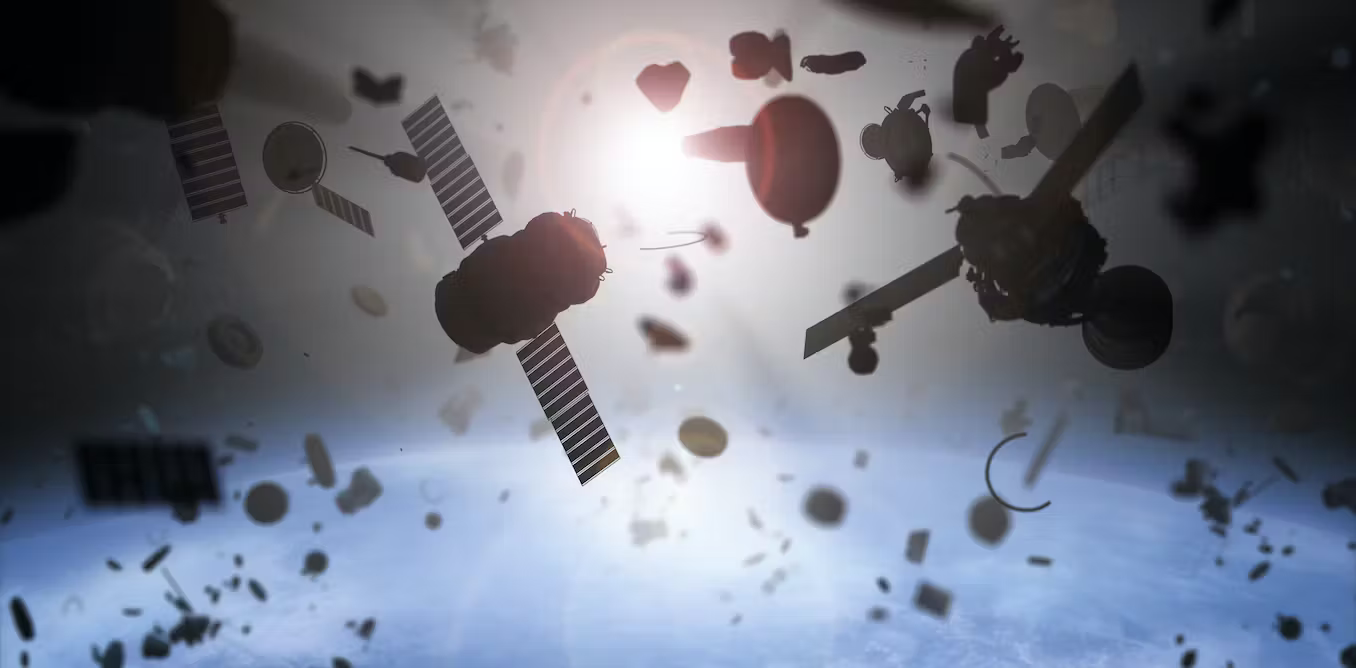
Space junk
Chris Impey | October 26, 2023The tragedy of the commons observes that common access to a resource can quickly degrade it, and we are now littering low earth orbit in space just as we have polluted the Earth and its oceans.
-
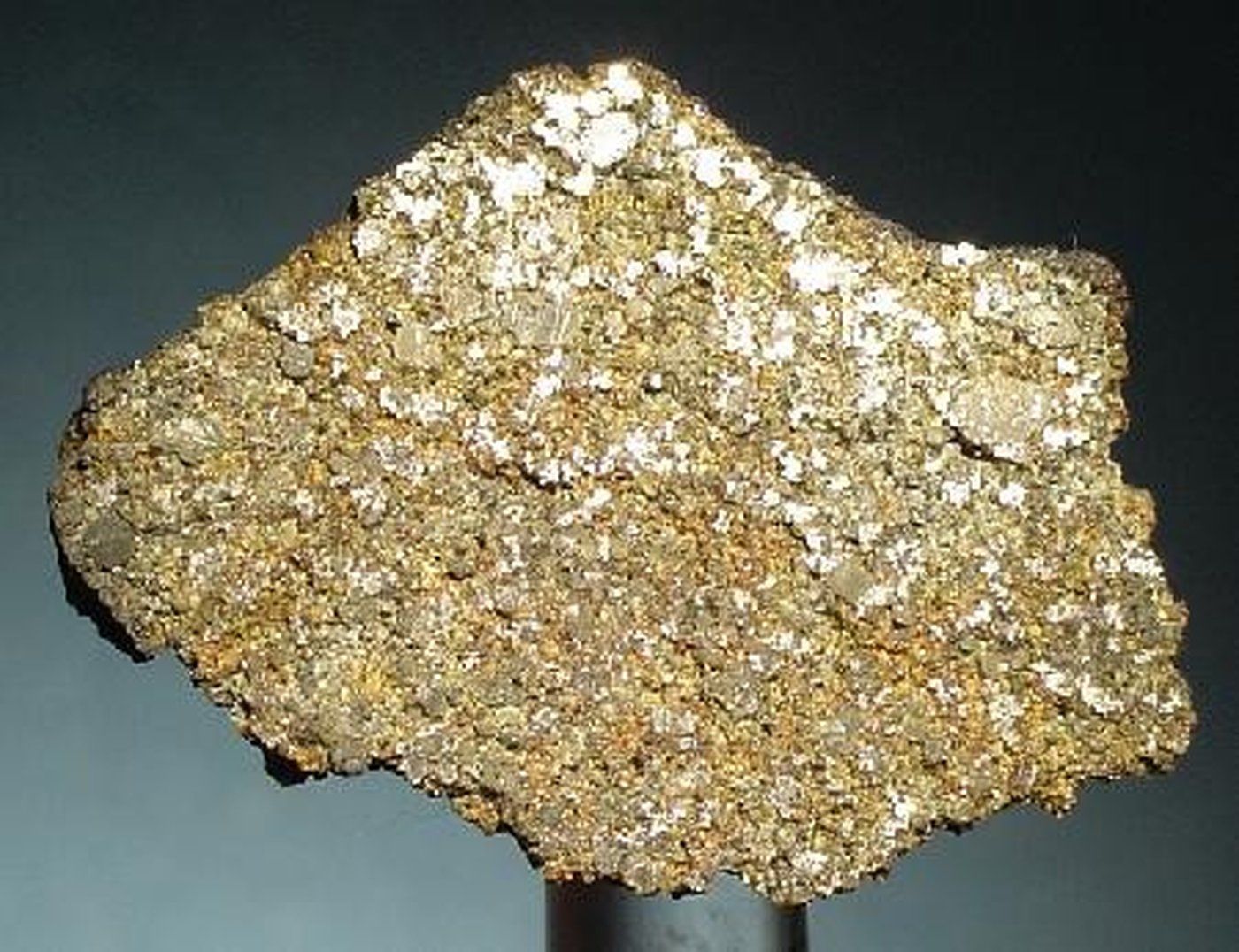
Heaven on Earth
Chaitanya Giri | October 15, 2023Meteorites could show us the perfect chemical models we need to end the natural resource crisis — but we don’t have to leave Earth to mine them.
-
There’s gold in them thar asteroids
Alex Gilbert | October 2, 2023Private companies and governments are reaching for the stars in an effort to ease Earth-bound shortages and begin mining resources in space.