-

Don’t prod the porcupine
Jane Rickards | July 26, 2024Taiwan may draw on the lessons of Ukraine’s successful resistance against Russia to adopt a ‘porcupine’ strategy to counter China’s conventional strength.
-

Introducing Keir Starmer
Ben Worthy | July 7, 2024The true test of Prime Minister Starmer will come when his methodical approach meets a messy world.
-

Was it The Sun wot won it?
David Rowe | July 6, 2024It is common wisdom that right-wing British newspapers help shape its political climate, so why has the Labour Party swept to power in a historic landslide victory?
-

Playing by the rules
William Winberg | July 6, 2024The much-vaunted “rule based international order” needs the support of mid-tier nations to survive the aggression of authoritarian states.
-

NATO at 75
Robert Wihtol | July 4, 2024NATO’s visibility has waxed and waned, but Russia’s war of aggression on Ukraine has put the alliance firmly in the spotlight and may be its greatest challenge to date.
-

Boycott the boycott of Israeli universities
Maarten Boudry | June 12, 2024Universities across the world are facing pressure to cut ties with Israeli institutions over the war in Gaza, but these calls misunderstand the current conflict and are part of a wider campaign to undermine Israel’s right to defend itself, and even exist.
-

Living in Antarctica
Jeffrey C. Johnson | June 1, 2024Antarctica is the most hostile continent on Earth, and the handful of scientists and researchers who make it their home face a host of mental as well as physical challenges.
-

Unlocking science for small island states
Open Forum | May 28, 2024An urgent call for increased international support and collaboration for science in Small Island Developing States (SIDS) has been released in a declaration by the International Science Council SIDS Liaison Committee at the 4th international conference on SIDS in Antigua and Barbuda.
-

Taiwan lives
John West | May 20, 2024Niki Alsford’s recent book, “Taiwan Lives,” explores how the Taiwanese people have created one of the world’s most high-tech economies, a successful and vibrant democracy, and a distinctive cultural identity.
-
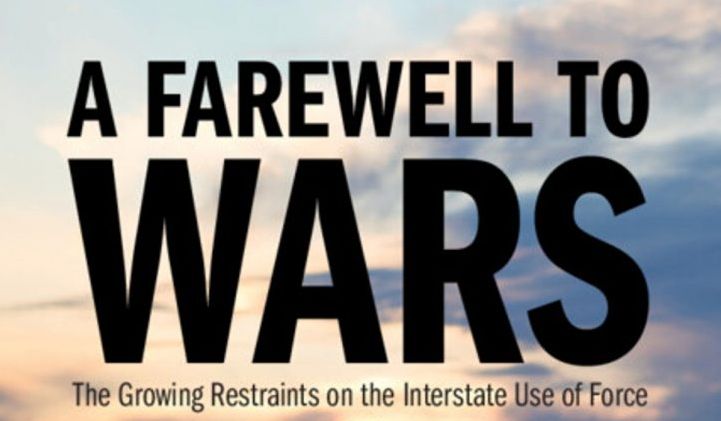
A farewell to arms?
John Tilemann | April 15, 2024With war raging in Ukraine and the Middle East it’s difficult to remember that the international system has accepted growing constraints on interstate use of force in most circumstances.
-
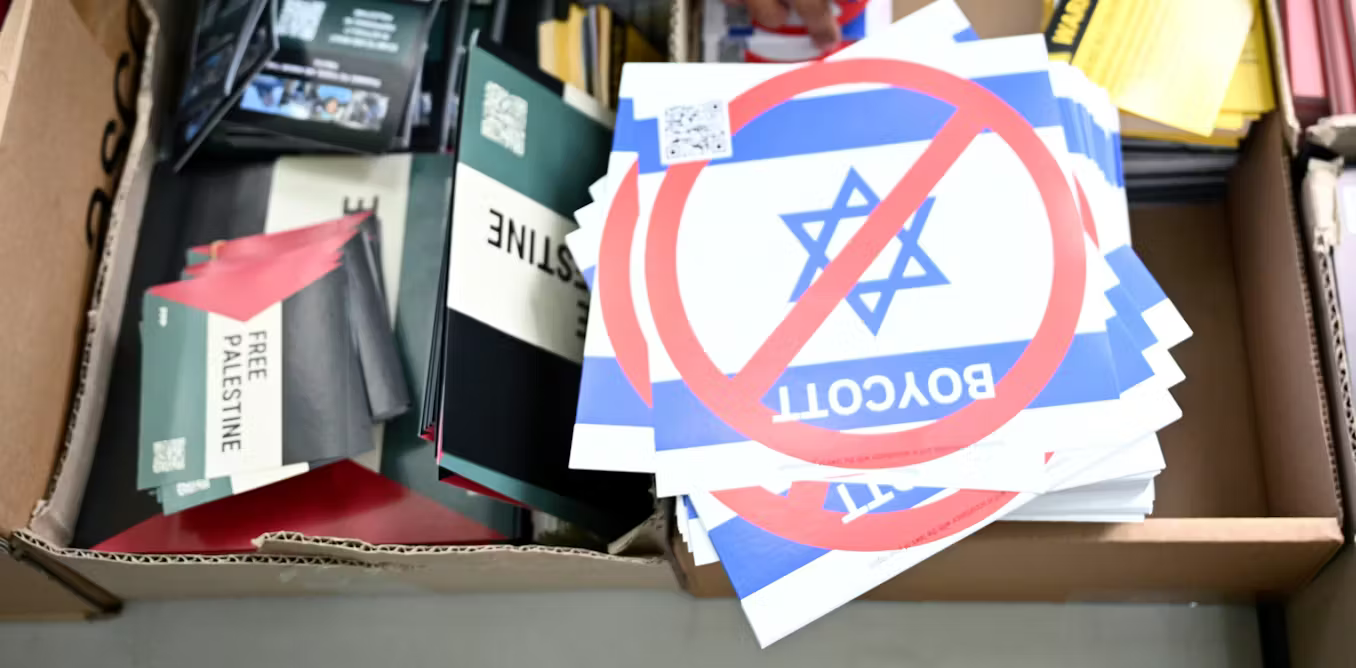
The ugly truth of anti-Zionism
Suzanne Rutland | April 5, 2024The protests against Israel’s war on Hamas following the terrorist attack of October 2023 are all too often a thin veneer over the underlying wish to wipe Israel from the map and destroy the Jewish people.
-

Russia after Putin
Robert Person | March 19, 2024Vladimir Putin has rubber stamped himself in power for another six years, but at 71 he has no successor, no living rivals and no retirement plan, so his eventual death will set off a vicious power struggle for the ruins of the country he leaves behind.